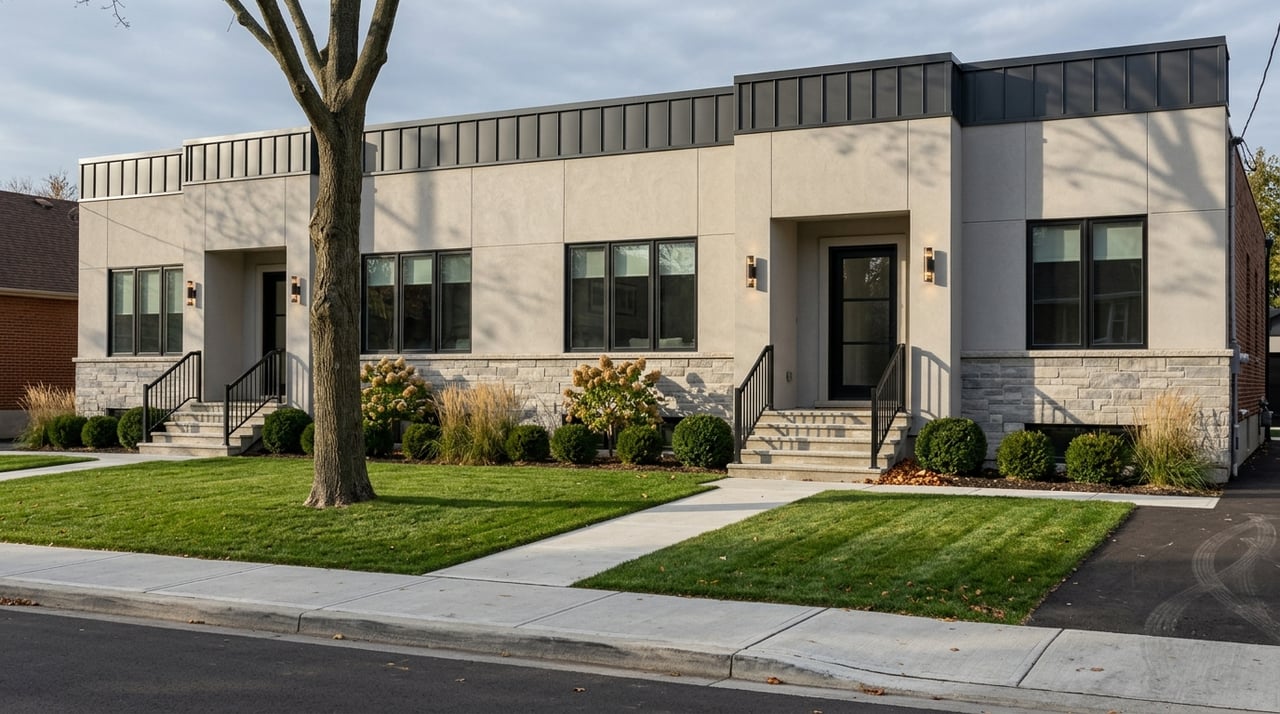
Is Westlake Ohio Investment Property a Smart Move?
July 9, 2026
July 9, 2026
If you are looking for a place to invest in Northeast Ohio, Westlake stands out for a different reason than many buyers expect. It is not the market people usually chase for the cheapest entry point or the highest immediate cap rate. Instead, Westlake offers something many investors value just as much: stability, higher household incomes, stronger rent levels, and a deep owner-occupied base that can support long-term resale demand. Let’s dive in.
Westlake is a higher-income suburban market in Cuyahoga County with 33,904 residents and 15,559 housing units. About 73.1% of homes are owner-occupied, which points to a community with a strong base of long-term residents rather than a heavily renter-driven environment.
The city also shows several signs of household stability. Median household income is $112,200, median gross rent is $1,570, and 60.2% of adults age 25 and older hold a bachelor’s degree or higher. For you as an investor, those numbers suggest a market where quality, condition, and location may matter more than finding a rock-bottom purchase price.
Westlake fits best for buyers who want a premium suburban hold. If your goal is to own in an area with stronger rent levels than Cleveland and likely better long-term resale depth than many lower-cost markets, Westlake deserves a close look.
This market can appeal to several types of investors. You might be looking for a single-family rental, a condo, a small multifamily property, or an appreciation-focused buy-and-hold opportunity. In each case, Westlake tends to reward a careful, numbers-first approach rather than a bargain-hunting strategy.
A 73.1% owner-occupied rate matters because it often reflects a market where many residents are invested in staying long term. That can support neighborhood consistency and buyer demand when it is time for you to sell.
For investors, this does not guarantee future appreciation. It does, however, help explain why Westlake is often seen as a quality suburban market instead of a purely speculative play.
As of May 31, 2026, Zillow shows average rent in Westlake at $1,937. That is about 36.1% higher than Cleveland city, where the average rent was $1,423 during the same period.
The Census figure for Westlake median gross rent is $1,570, which is lower than the more current asking-rent snapshot. That gap suggests the rental market has moved upward since the ACS reporting period. For you, that can be a useful reminder to compare both historical and current rent data when underwriting a deal.
Westlake’s income and education levels help paint a picture of the local market. Higher household income does not eliminate risk, but it can support demand for well-maintained rentals and updated homes in convenient locations.
That is one reason Westlake may feel more durable than lower-cost alternatives. You are not just buying a property. You are buying into a specific demand profile.
Home prices in Westlake are meaningfully higher than in Cleveland city. Redfin shows a median sale price of $394,000 for the three months ending May 2026, down 5.3% year over year. Over the same period, Cleveland city was at $142,000, up 5.9% year over year.
That means Westlake was about 177.5% more expensive by that measure. Realtor.com also places Westlake in a more expensive suburban bracket, with a median listing price near $509,000, 119 homes for sale, a median 32 days on market, and a 98% sale-to-list ratio.
Higher prices can create both opportunity and pressure. On the opportunity side, a more expensive suburban market may offer stronger perceived quality, better long-term resale depth, and appeal to renters or buyers looking for a polished suburban setting.
On the pressure side, a higher basis can make cash flow harder to find. If you buy in Westlake, your success may depend more on disciplined acquisition, realistic renovation planning, and a long-term hold mindset than on immediate monthly spread.
Westlake tends to align better with certain strategies than others. Based on the sale-price and rent data, this market usually makes more sense for appreciation-led, buy-and-hold, or hybrid investment plans than for aggressive cash-flow chasing.
Here are the strategies that may fit best:
If you want to build long-term wealth, Westlake can make sense as a rental hold market. Higher rents can help support the numbers, but you still need to balance those rents against the city’s higher purchase prices, taxes, insurance, and any association costs.
This strategy may work best if you focus on clean, well-located properties that need manageable updates rather than heavy repositioning. In a market like Westlake, execution matters.
Some investors care less about immediate cash flow and more about owning in a stable suburb with a strong owner base. If that sounds like your goal, Westlake may be worth serious consideration.
This approach requires patience and a clear exit plan. You are betting more on the strength of the market and the property’s long-term appeal than on short-term income alone.
Westlake can also appeal if you want a property that serves more than one purpose. Some buyers prioritize a home that can perform as a future rental, a downsizing option later, or a more flexible long-term asset.
In that case, market stability and resale depth may matter just as much as current return. Westlake’s profile can support that kind of decision-making.
Westlake’s rental environment includes several property categories investors commonly target. According to the city, relevant rental categories include detached single-family homes, apartments, condos, and small multifamily properties.
Each one comes with a different risk and management profile. Your choice should depend on your budget, timeline, and comfort with local compliance requirements.
Single-family rentals can appeal to investors who want broader resale flexibility. In a market with a strong owner-occupant base, this can matter because your eventual buyer may be another investor or an owner-occupant.
That flexibility can be valuable. Still, the higher purchase price means your margin for error may be smaller.
Condos may offer a lower entry point than detached homes in some cases. They can be easier to maintain physically, but you should review HOA rules, fees, and rental restrictions very carefully before moving forward.
In Westlake, that extra review is especially important because condo rules can shape your rental options and your costs. Never assume rental use is allowed without confirming it.
Westlake also includes apartments and small multifamily rental structures. These may offer stronger income potential on paper, but they also come with city inspection and licensing requirements that can affect your timeline and budget.
If you are considering this route, build compliance costs into your analysis from the beginning. It is better to underwrite conservatively than to be surprised after closing.
Westlake is not a market where you can simply buy, lease, and ignore the details. The city says its Building Department inspects and licenses apartment buildings and 1-, 2-, and 3-family rental structures, excluding condominiums.
The city’s rental information also lists a rental application, registration notice, inspection checklist, and smoke-detector guidance. The Fire Department addresses apartments, condominiums, and newly constructed single-family homes as well, which means compliance should be part of your investment plan from day one.
In some markets, investors can get away with a more casual operational approach. Westlake does not read that way. If you plan to own rental property here, inspections, licensing, and safety requirements should be treated as standard carrying costs of doing business.
That does not make Westlake a bad investment market. It simply means your process needs to be organized, and your due diligence needs to be thorough.
Before you assume a property can be renovated, converted, or used more intensely, check the city’s planning and zoning framework. Westlake’s Planning Department oversees the Westlake Guide Plan, zoning code, planning and platting code, land-use policy, and development applications.
For you, that means parcel-level review matters. A property that looks like an easy value-add opportunity may come with use, permit, or zoning limits that change the deal.
Ask these questions during due diligence:
These questions may feel basic, but in a market like Westlake, they can protect your returns.
In Cuyahoga County, taxes are too important to estimate loosely. The county says taxable value is 35% of market value, tax rates depend on the parcel’s taxing district, special assessments can be added to the bill, and there was a sexennial reappraisal in 2024.
Because of that, you should underwrite taxes at the parcel level instead of relying on citywide averages. Two properties with similar prices can still carry meaningfully different tax burdens.
When you run numbers on a Westlake deal, make room for:
This is one of the biggest differences between a property that looks good online and one that actually performs.
Westlake can be a smart spot for your next investment if you want quality, stability, and stronger suburban rent levels rather than the lowest entry price. It is best viewed as a premium suburban hold market, not a bargain play.
If your goal is maximum cap rate, you may find other Greater Cleveland markets more compelling. But if you value a stable owner-occupied base, higher-income households, and long-term resale appeal, Westlake has a strong case.
The key is buying with the right expectations. In Westlake, smart investing usually means careful underwriting, close attention to local rules, and a strategy built around durability rather than shortcuts.
If you are weighing Westlake against other Northeast Ohio opportunities, talking through the numbers with a local team can save you time and help you avoid expensive assumptions. When you are ready to explore your options, connect with Nour Chehade for thoughtful guidance on Westlake investments and the broader Northeast Ohio market.
Stay up to date on the latest real estate trends.





We pride ourselves in providing personalized solutions that bring our clients closer to their dream properties and enhance their long-term wealth.