Westlake Home Styles And Micro-Neighborhoods Explained
June 25, 2026
June 25, 2026
If Westlake feels hard to pin down, that is because it is. You are not looking at one uniform suburb with one dominant home type or one clear price point. You are looking at a city with older single-family streets, condo and townhome pockets, and newer custom-home areas that each offer a different version of Westlake living. This guide will help you make sense of the main home styles, the micro-neighborhoods buyers usually compare, and where Westlake fits in the broader west-side market. Let’s dive in.
Westlake has a mostly single-family housing base, but the overall mix is broader than many buyers expect. Census-based data show 15,559 housing units, with 59.7% detached single-family homes and 8.5% attached single-family homes. The median construction year is 1983, and 73.1% of occupied homes are owner-occupied.
That matters because it helps explain the feel of the city. Westlake reads less like a single master-planned suburb and more like a patchwork of established streets, low-maintenance communities, and selective newer infill. As you drive through different parts of town, the housing mix can shift quickly.
The city’s planning framework supports that pattern. Westlake’s guide plan identifies Hilliard Road as single-family residential, while Detroit and Center Ridge Roads include alternating commercial and non-commercial uses. The Center Ridge Corridor Master Plan also shows a broad land-use mix, including single-family, two-family, condominium-cluster, multi-family, retail, office, recreation, institutional, and vacant land.
Westlake’s price point sits in the middle-to-upper range of the west-side suburban market. In spring 2026, Redfin reported a median sale price of $394,146 for the three months ending May 2026, while Zillow’s average home value estimate was $399,902.
The market has also been moving quickly. Homes were selling in about 12 days, and 37.6% closed above list price during that period. For you as a buyer or seller, that suggests a competitive market where pricing strategy and neighborhood-level knowledge matter.
The bigger takeaway is that Westlake is not one price band. It offers entry points through condos and townhomes, mid-range options through older single-family homes, and premium choices through larger custom and newer construction properties.
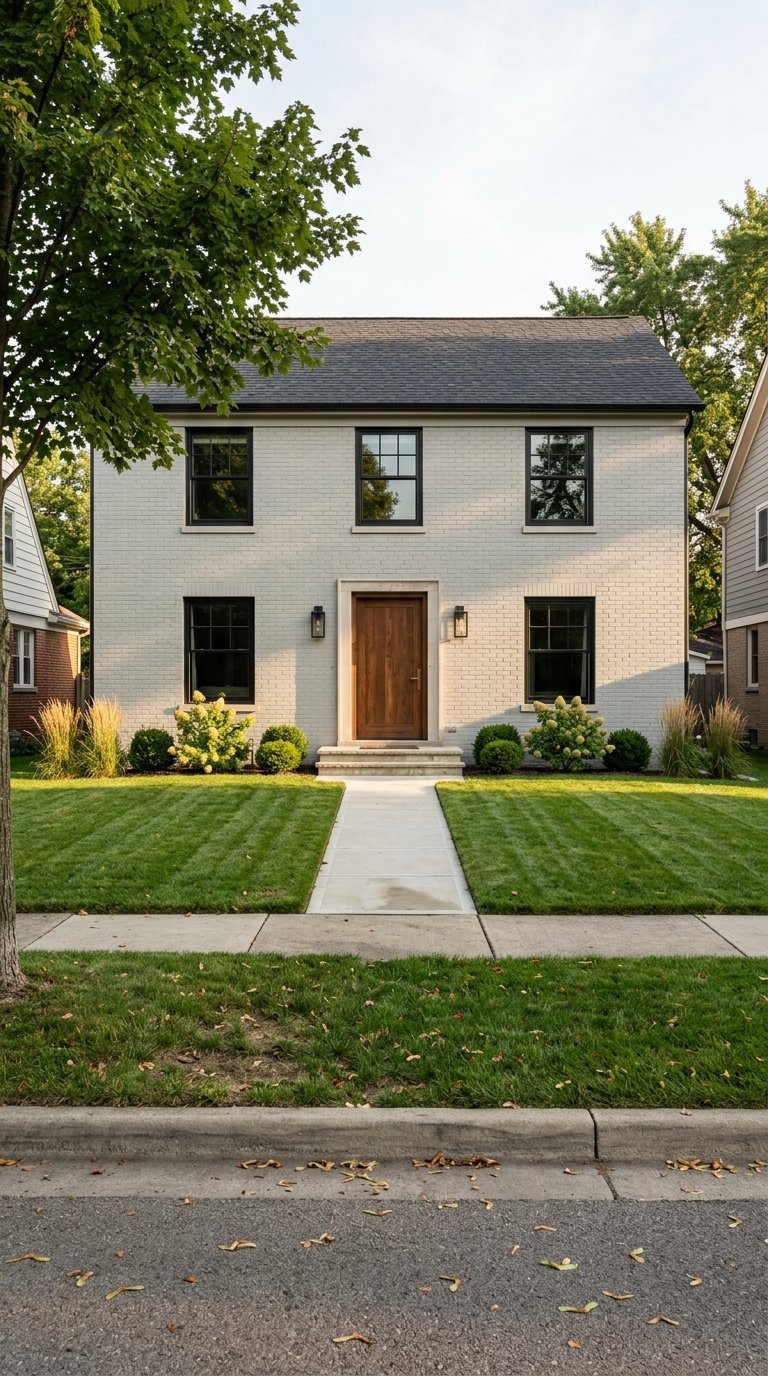
Colonials are one of the easiest styles to spot in Westlake’s established move-up areas. You will see traditional layouts, larger footprints, and, in some pockets, brick exteriors on wooded lots or cul-de-sacs.
Rosewood Estates is a useful example. Recent listings there have included brick and updated colonials built in 1988 and 2007, with values in the upper $500,000s to mid-$700,000s. If you want more space and a classic suburban layout, this is often the style buyers focus on first.
Westlake also has a strong middle-market story built around ranches and Cape Cods. Local neighborhood guides describe much of the city’s 1960s to 1980s housing stock as modest ranches and Cape Cods, with older homes around the $400,000 mark.
These homes often appeal to buyers who want established streets, mature trees, and a more approachable entry into Westlake. Depending on updates and location, they can offer a practical balance of budget, yard space, and long-term potential.
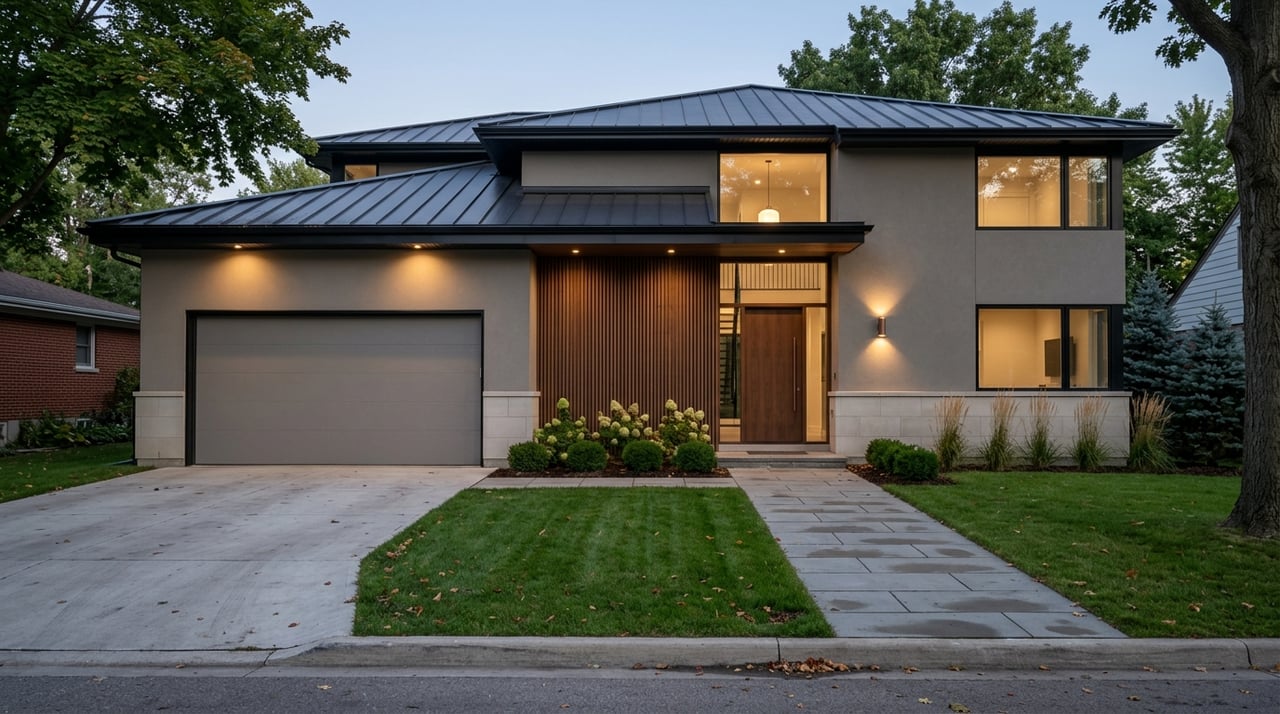
At the upper end, Westlake includes newer construction and custom-home pockets with a more design-forward feel. These homes are often described as the city’s luxury tier, with typical pricing ranging from the $500,000s to $1 million.
Bur Oak Estates and The Estates help tell that story. These areas feature wooded homesites, larger custom homes, and a more upscale presentation that appeals to move-up and luxury buyers looking for privacy, square footage, and newer finishes.
If you want lower maintenance, Westlake gives you more options than many nearby suburbs. Apartment, condo, and townhome choices are especially visible around Crocker Park and along parts of the Center Ridge corridor.
Examples include Wyndgate Club, Lenox Greens, Waters Edge, Charles Place, and Lenox Ridge. These communities represent different low-maintenance formats, from townhome-style condos to condo buildings and cluster-home living.
Wyndgate Club has been marketed with townhome-style condo layouts roughly from 1,500 to 3,200 square feet, with historical list prices around $189,000 to $265,000. Waters Edge sits at a higher point in the low-maintenance category, with typical pricing in the mid-$300,000s to high-$500,000s.
If convenience is high on your list, this is one of the first areas to study. The city’s visitor guide calls Crocker Park Westlake’s “Downtown,” and housing around the district includes apartments, condos, and townhomes near shopping, dining, and events.
For you, the tradeoff is usually simple. You may give up yard size and some privacy, but you gain easier access to daily errands, restaurants, and an active mixed-use setting. Buyers who prioritize a more walkable lifestyle often start here.
The Clague Park area gives you a different version of Westlake. Clague Park includes 78 acres with an aquatic center, ball fields, tennis courts, walking trails, a duck pond, and Clague Cabin.
Nearby, the city’s guide plan treats Hilliard Road as a single-family residential street without commercial intrusion. That makes this area a strong reference point for buyers who want established neighborhood streets and a setting centered around traditional single-family living.
This broader corridor shows Westlake’s mixed land-use story most clearly. The city’s corridor plan identifies single-family homes, two-family homes, condominium clusters, multi-family buildings, retail, office, industrial, recreation, institutional uses, and vacant land within the same planning frame.
In practical terms, this is where many buyers find Westlake’s low-maintenance options and corridor-adjacent convenience. It is also a useful area to explore if you want easier access to major roads, retail, and newer infill without focusing only on one housing type.
Wyndgate Club, Lenox Greens, Charles Place, and Lenox Ridge all fit this conversation. They give you a sense of how much variety Westlake can pack into one broad section of the city.
Some buyers come to Westlake looking for classic suburban neighborhood pockets, and this is where those searches often land. Rosewood Estates stands out as a strong example, with brick colonials on wooded cul-de-sacs and homes ranging roughly from 3,500 to 5,300 square feet.
Other established pockets identified by local sources include Settlers Reserve, located between Detroit and Hilliard, and Capel Vale, a custom-luxury area off Hilliard Road. These areas help define the middle and upper-middle single-family market in Westlake.
If your search is focused on newer, larger, and more private homes, Westlake has a clear upper tier. Bur Oak Estates includes 46 wooded homesites, most at a half-acre or larger, with prices typically beginning in the $480,000s and reaching toward $1 million depending on finishes.
The Estates is another standout at the higher end. Located off Crocker, Hilliard, and Schwartz roads, it features custom homes and private amenities, with pricing that starts in the $900,000s. For buyers comparing premium suburban options, these pockets show why Westlake remains relevant at the luxury end.
The best way to approach Westlake is to start with your lifestyle, not just square footage. Because the city spans so many housing types, the right fit often comes down to how you want to live day to day.
Ask yourself a few practical questions:
When you answer those questions first, Westlake gets much easier to read. Instead of treating the city as one market, you can narrow in on the few pockets that actually match your goals.
Westlake sits in an appealing middle position among nearby suburbs. Redfin’s spring 2026 market snapshots place Westlake at $394,146, compared with Rocky River at $436,000, Avon at $372,000, North Ridgeville at $365,781, Fairview Park at $306,500, Avon Lake at $479,000, and Bay Village at $515,000.
That means Westlake is priced above some more entry-level nearby options while still sitting below some lakefront premium markets. For many buyers, that middle position is exactly the point.
Westlake typically offers more home-type variety than places like Bay Village or Rocky River, while carrying a stronger price position than Fairview Park or North Ridgeville. If you are balancing budget, maintenance level, and setting all at once, Westlake can be one of the most flexible suburbs to compare.
The simplest way to understand Westlake is this: it is a spectrum. On one end, you have mixed-use condo and townhome options near Crocker Park and Center Ridge. In the middle, you have established colonials, ranches, and Cape Cod neighborhoods. At the top end, you have newer wooded estates and custom homes.
That range is what makes Westlake so useful for buyers who do not want to choose between convenience, traditional suburban streets, and long-term flexibility. It gives you multiple ways to enter the market and multiple paths to move up over time.
If you want help narrowing down which Westlake pocket fits your goals, budget, and preferred home style, connect with Nour Chehade. You will get local guidance rooted in the market, clear advice, and a more confident way to compare your options.
Stay up to date on the latest real estate trends.
We pride ourselves in providing personalized solutions that bring our clients closer to their dream properties and enhance their long-term wealth.